


In a rapidly evolving market, many of the challenges organisations face may appear, at first glance, to be issues of strategy, talent, execution, or relationships. In practice, however, they often originate from less visible layers: unexamined mindsets, emotional reactivity, and entrenched communication patterns within leadership teams.
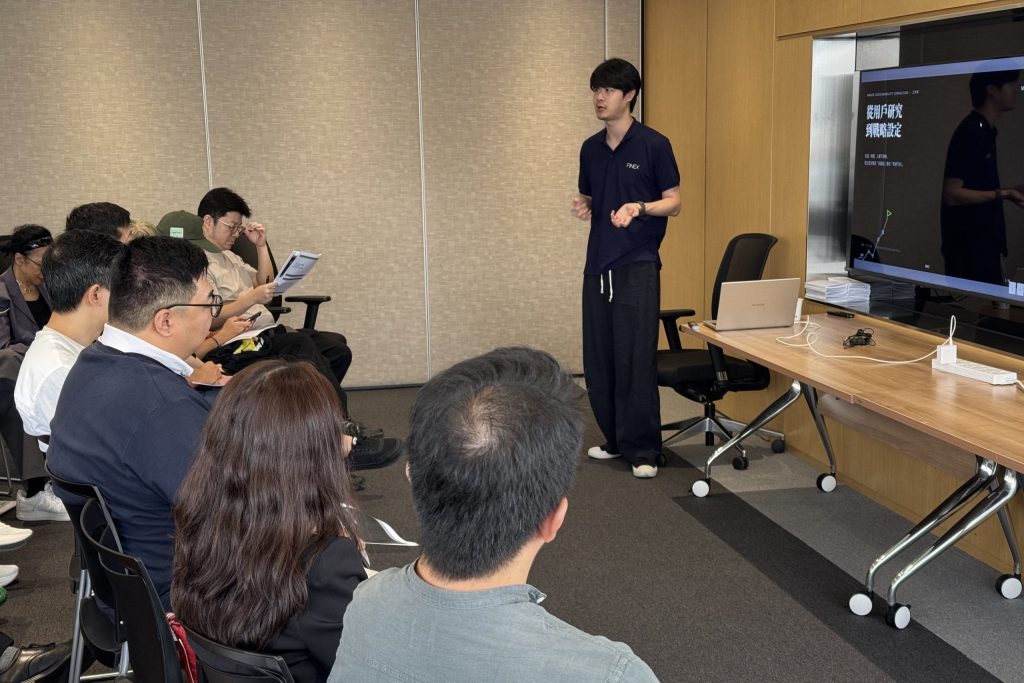
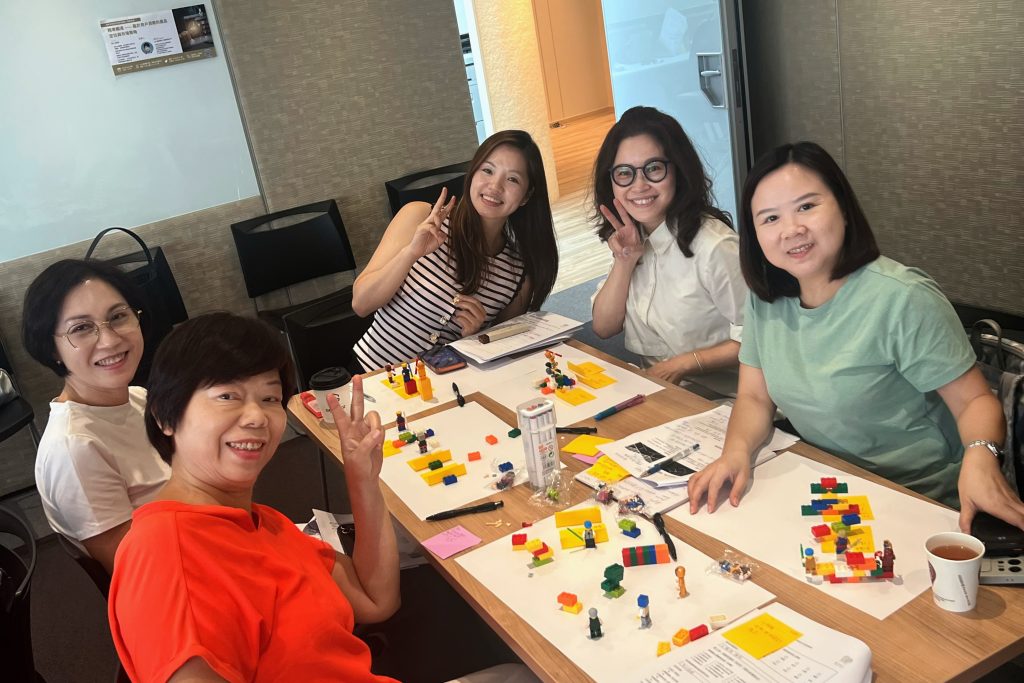
On 6 August, AWE Intensive Learning Programme session, Self-Cultivation — Becoming a High Energy-Level Quantum Leader, was successfully completed. More than 20 participants engaged in theoretical learning, self-reflection, deep listening practice, and coaching roundtable dialogue to explore a question that is increasingly relevant to business transformation: when we change the way we perceive a problem, can we open up new solutions and possibilities?
From Listening to Co-Creation
Through the coaching roundtable, participants experienced four levels of listening, moving from “download listening,” in which we hear only what confirms our existing assumptions, to listening for facts and information, then to sensing unspoken needs, and finally to creating space for new possibilities to emerge.
For organisations, deep listening is more than a communication technique; it is a leadership capacity that unlocks collective intelligence. When leaders move from being the ones who provide answers to the ones who create space for dialogue and reflection, teams are more likely to surface real issues, take ownership, and co-develop more effective solutions.
Culture as a Strategic Asset
Quantum leadership also invites a deeper re-examination of organisational culture. While systems, processes, and metrics remain essential, the successful execution of strategy ultimately depends on whether an organisation has sufficient trust, psychological safety, authentic dialogue, and cross-functional connection.
During the discussion, participants reflected that organisations should not simply replicate proven success formulas. Instead, they should intentionally cultivate a living environment that allows for experimentation and encourages open exchange. When people can speak candidly and truly see one another, creativity evolves from an individual capability into a collective organisational capacity.
This is where the well-being economy becomes a practical business approach: by translating understanding, respect, and trust into a healthier culture, higher-quality collaboration, and more sustainable business value.